
Benjamin MacShane on Ferragosto, four hundred neighbours and what it means to feed a community in crisis
Rome, August.
Today, in celebration of Ferragosto, we do una grigliata, with enormous amounts of meat and vegetables brought all the way down from Abruzzo, the home of Italian barbecue. Tables laid out lengthways, running down the middle of the street we’ve now occupied for more than two weeks in presidio. Coverings hoisted up like sails to give us decent shade. We celebrate with our own, the community that has existed at Spin Time for thirteen years and the new community that has emerged out of these last intense and difficult seventeen-odd days.
We are outside because, since the 29th of July, we have had nowhere else to be. A fire broke out, large enough to warrant the fire brigade’s attention but small enough to be extinguished by the inhabitans themselves. And what was meant to be a temporary evacuation for structural checks became something else entirely. Police entered the building. The judicial authorities placed it under sequestro (seizure). The 400 people who called this ten-storey building in Rome’s Esquilino-neighborhood home – 27 nationalities, thirteen years of community – were not permitted to return. Many left without documents, without medication, without a change of clothes. The first night, 150 children slept on cardboard on the street.
That was seventeen days ago. We are still here.
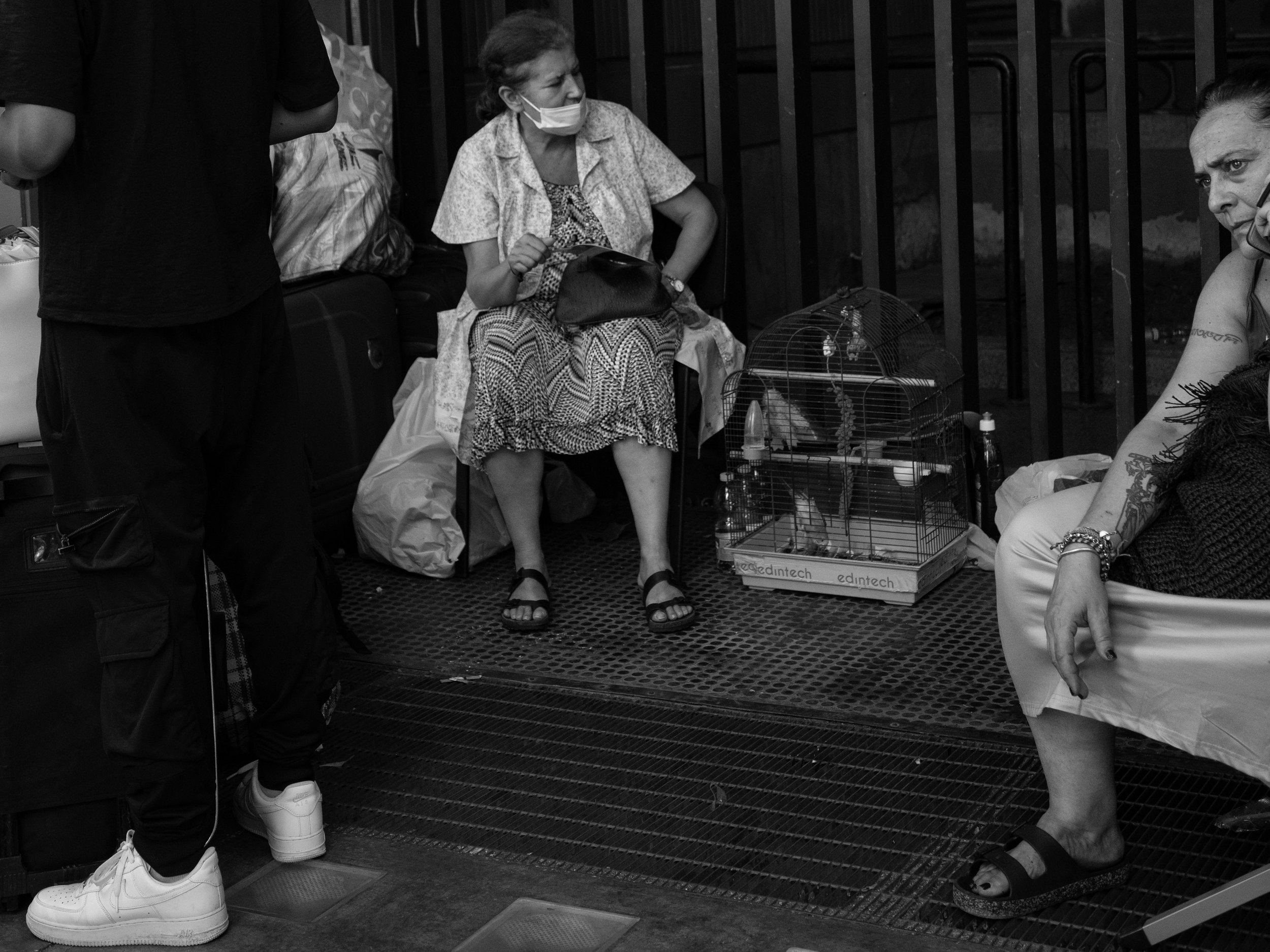
British-French journalist Benjamin MacShane is based in Rome and has spent the past year cooking at L’Osteria di Spin Time, the community kitchen inside Rome’s most important occupied social space. Find him on Substack here. The photo’s in this article are captured by Niccolo Barca.
In the morning, I had the chance to peer into a friend’s plush flat in the middle of Monti, who had prepared an incredible pepper cream to spread on bread for a special Ferragosto bruschetta. A gorgeous house in one of Rome’s historic neighbourhoods, spacious, with a banana tree growing in the neighbour’s little patio. Rome’s main historic streets are almost empty now, save a few wandering tourists. There’s a special, magical air to meandering through Rome at its quietest – a city that has lived for more than two thousand years almost always defined by noise, by footfall, by chaotic, busy energy. And yet Ferragosto, like Christmas, like those long stretches during the pandemic, renders Rome far quieter, far calmer, and lets you enjoy the city as it once was.
I remember arriving in Rome and feeling that odd juxtaposition – so much to feast your eyes on, so much to marvel at, and yet, after a while, unless you find people to share the beauty with, you can find yourself tremendously alone. It’s a disconcerting contrast once you notice it. I reflect now, with gratitude, that after so many years here, I’ve come across the polar opposite. Spin Time doesn’t have the illustrious beauty of Renaissance or antique architecture. If you didn’t know what was inside, you’d think it an ugly building. But it’s the people I break bread with today, as I have done so many times, who I realise make it beautiful.
Instead of a feast for the eyes, excuse the cliché, it’s nourishment for the soul that I’ve found at Spin Time. It’s the people – four hundred-plus of them, from every kind of community, creed, colour, and background, worshipping different gods, listening to different music. In the time I’ve spent serving food and talking with them, I’ve found a better class of person living in this state of precarity than I have in the loftier spaces Rome offers plenty of. Not inverted snobbery on my part, just that I’ve always found people skating on thin ice to be sharper, keener, and more sympathetic than those who’ve got life sewn up and can look their bank manager squarely in the eye.
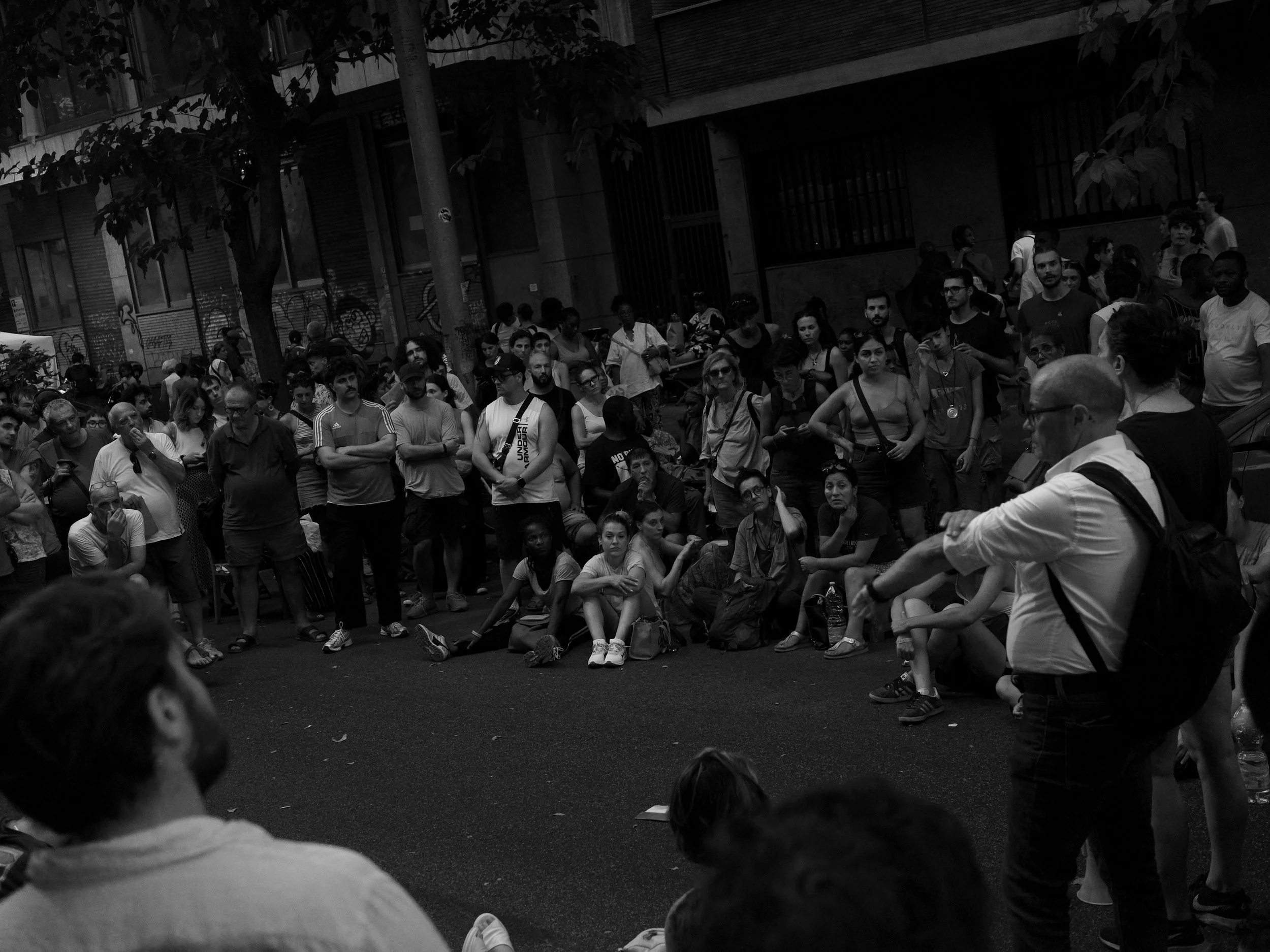
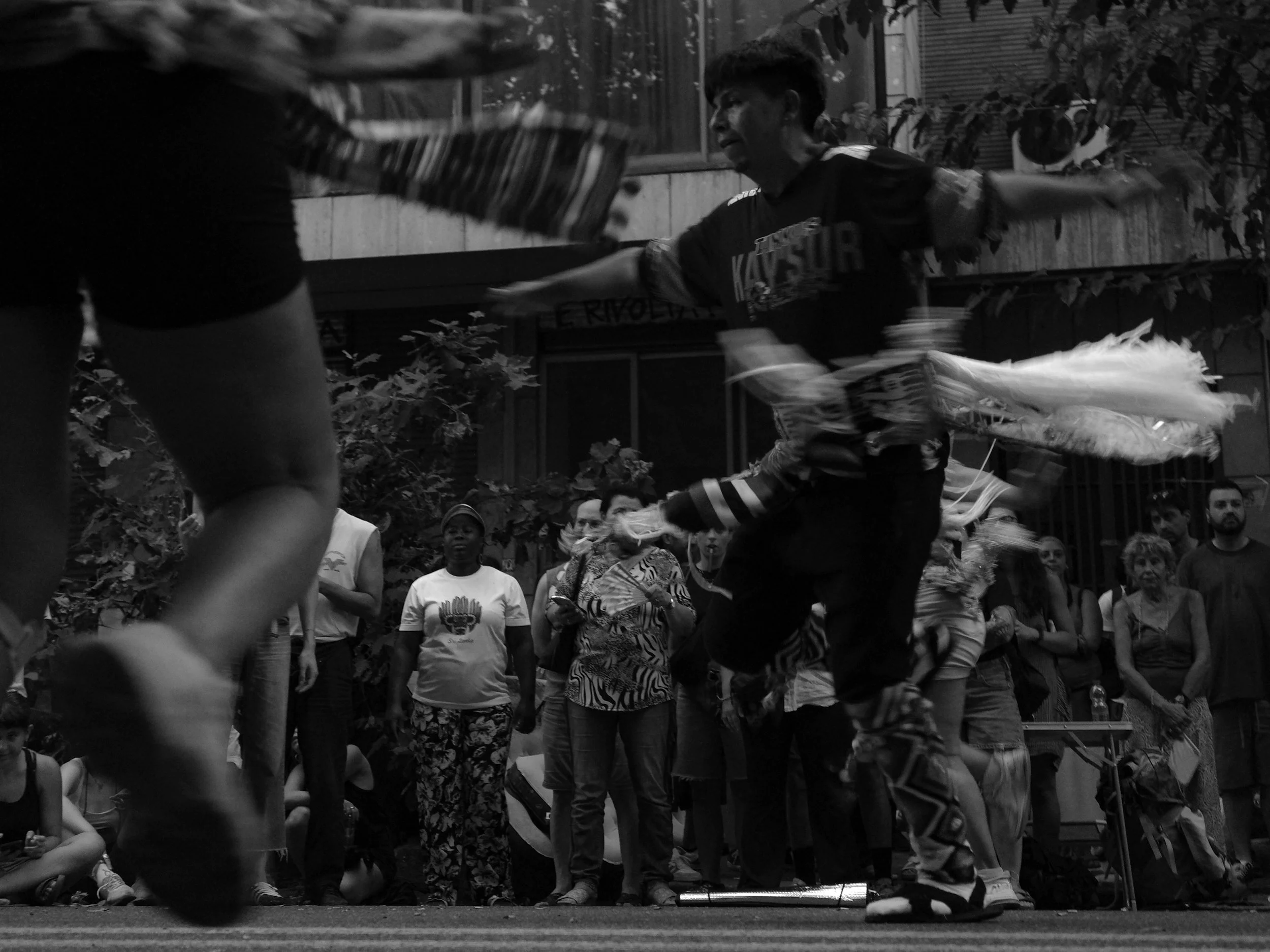
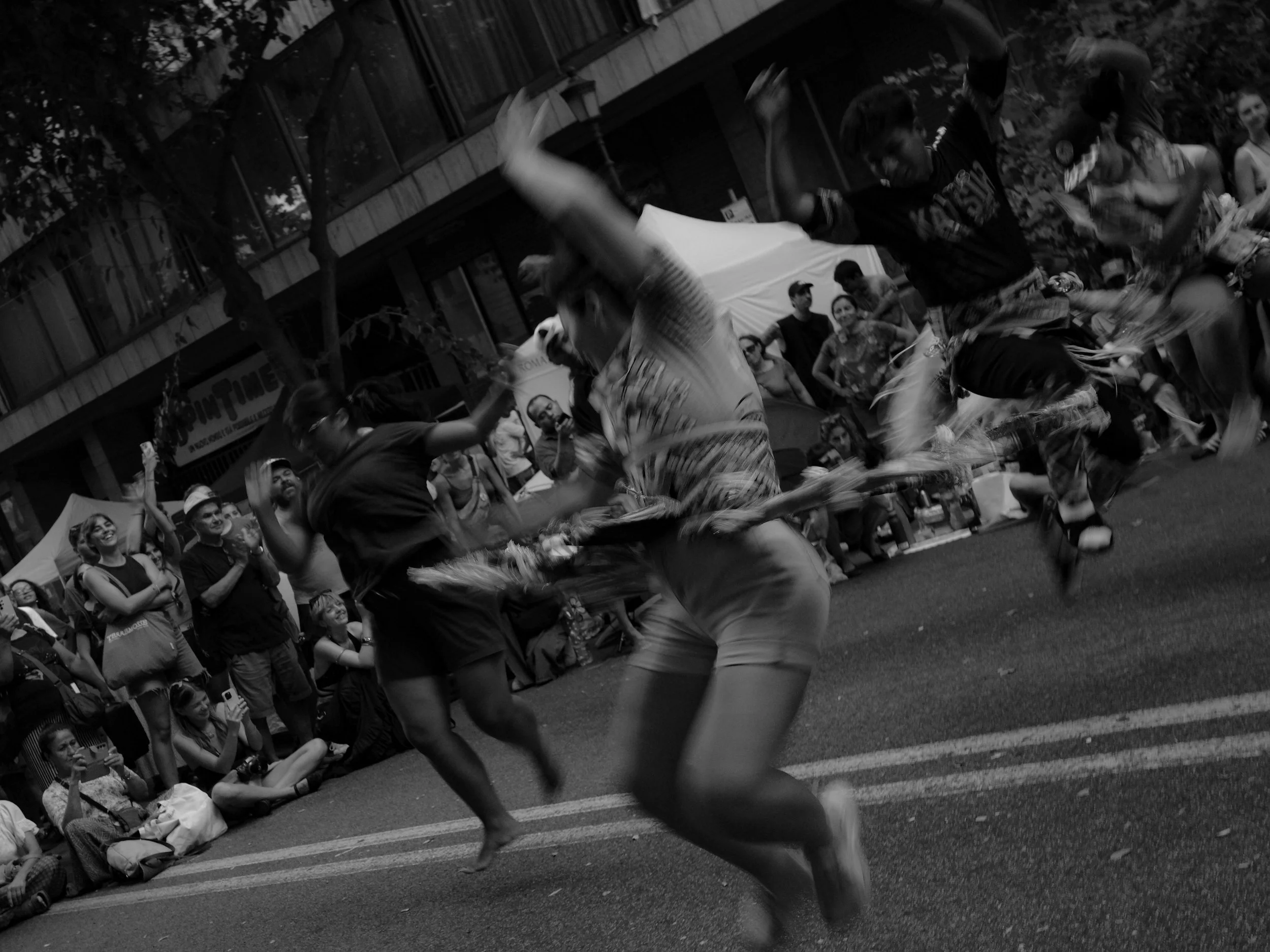
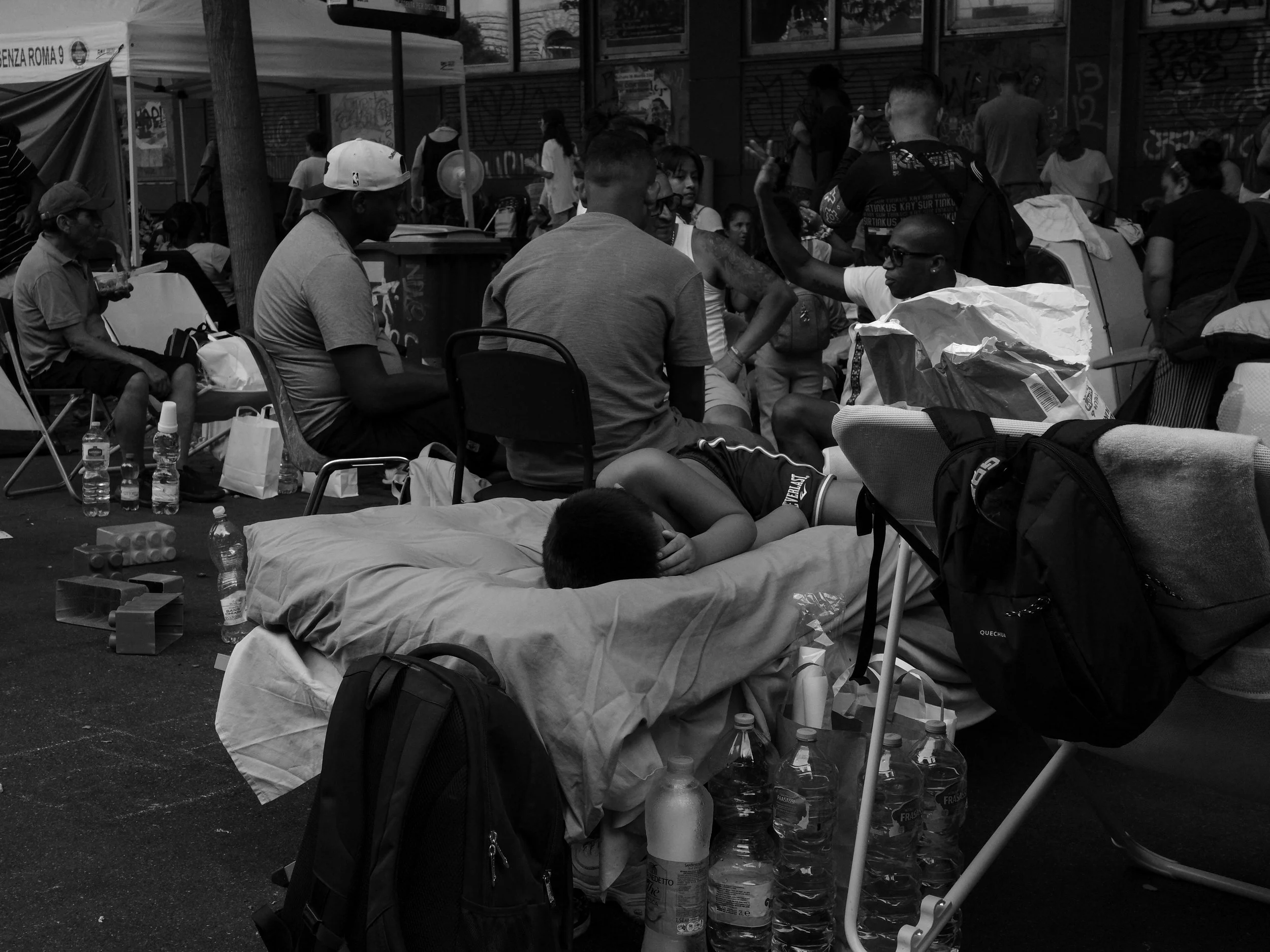
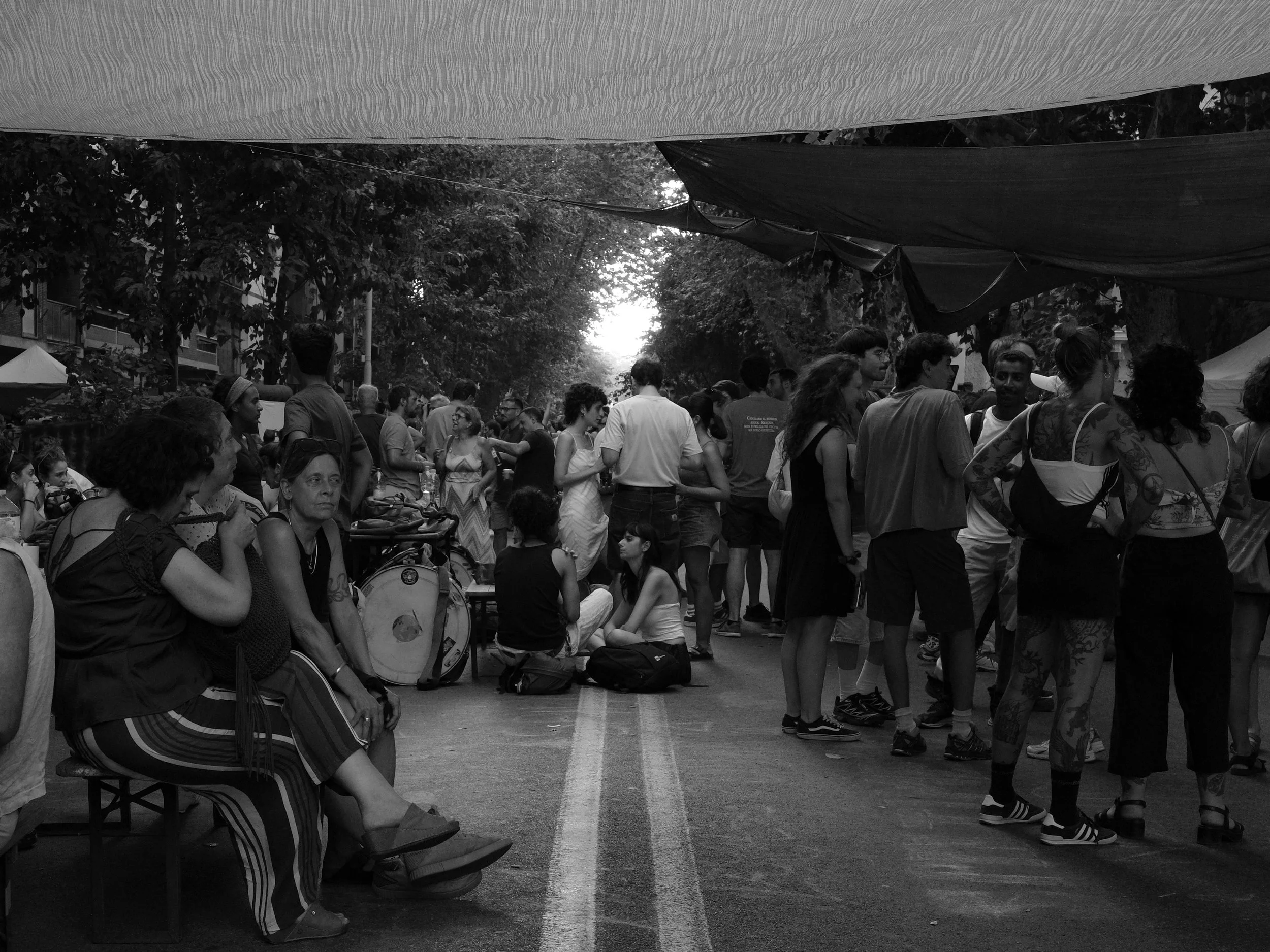
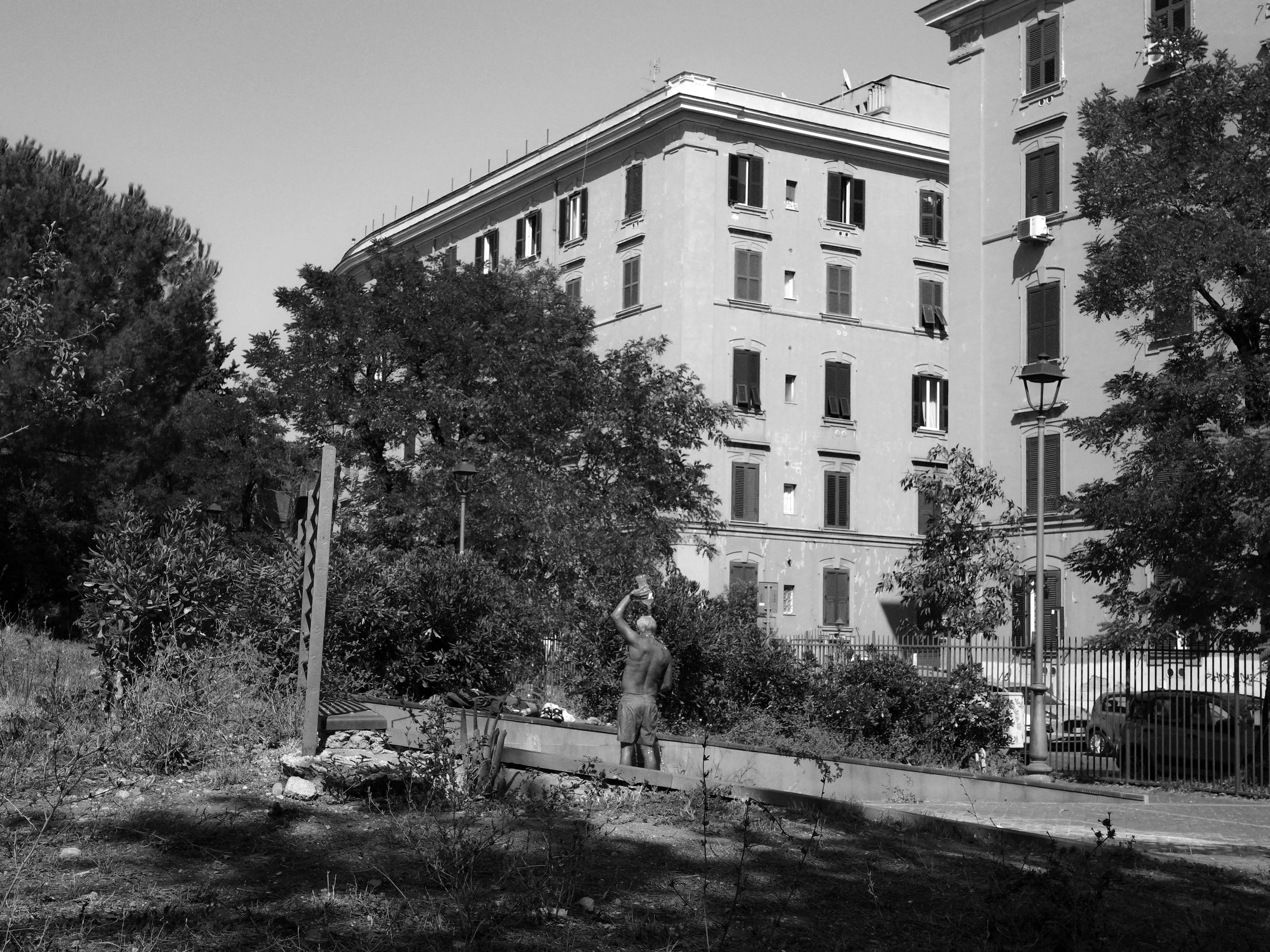
The question mark still dangles over the proceedings. Where will we be in two weeks? Can we really keep plugging away at what we’re doing? What are we even doing? A certain routine has set into the mismatch of adrenaline experiences that unfold each day, grief now feels more drawn out, prolonged, giving rise to different emotions as it goes. It becomes easy to forget that this really is an emergency in the first place. We’ve grown so used to the tents, the gazebos, people going to wash their clothes and themselves at the big water tank truck at the far end of the presidio. Duration and endurance change the register with which we live this experience.
It’s useful, though, to return to the wider political and economic question at hand. We learned from the press in the last couple of days that the cost to the Commune and the wider city of fronting temporary accommodation for everyone entitled to it, after two weeks on the street, has come to three million euros. That figure covers the temporary housing, but also the municipally provided gazebos, a fridge, the free bland food distributed, and the round-the-clock police guard stationed to watch over the whole procedure, including manning the big red gate, the entryway to these people’s former homes.
Set that three million against the renovation proposal the city put to the building’s owners, the Investire SGR, which they rejected back on the sixth of August: eight hundred thousand euros, which would have let hundreds of people return to their homes within two to three months. Nearly three and a half times what had previously been on the table. We already knew that emptying Spin Time of the four hundred people who lived there was wrong on human grounds – the heat, the toll of high temperatures, the indignity of making people live like this for so long was wrong from the start. Now we know the evacuation on the 29th of July, and everything that’s unfolded since, has also been an enormous economic cost to the people of Rome.
This adds to the wound of it all, the sense that Spin Time needs to find a way to survive and keep producing the social value, the social engine, it has been for Rome. The Open Impact Institute’s study, led by Luigi Corvo, found that for every euro invested in Spin Time, nearly two were returned to the community. That economic argument is worth holding onto, because the narrative used against these spaces, branding them as abusive squats, tends to centre on the claim that they’re a drain on society, that they don’t pay their way, that they haven’t done the hard work of earning money and buying a property. It’s worth asking: what’s the alternative? Many of the people here have been on the waiting list for social housing, which is also a cost borne by the state, footed by the taxpayer. The difference is that Spin Time was able to take what had, for most of its life, been a public institution already paid for by the taxpayer, and turn it into a community that gave far more back to the city around it than it drained away. Calculate the cost of housing four hundred and fifty people and multiply that by thirteen years, and the number runs into the tens of millions.
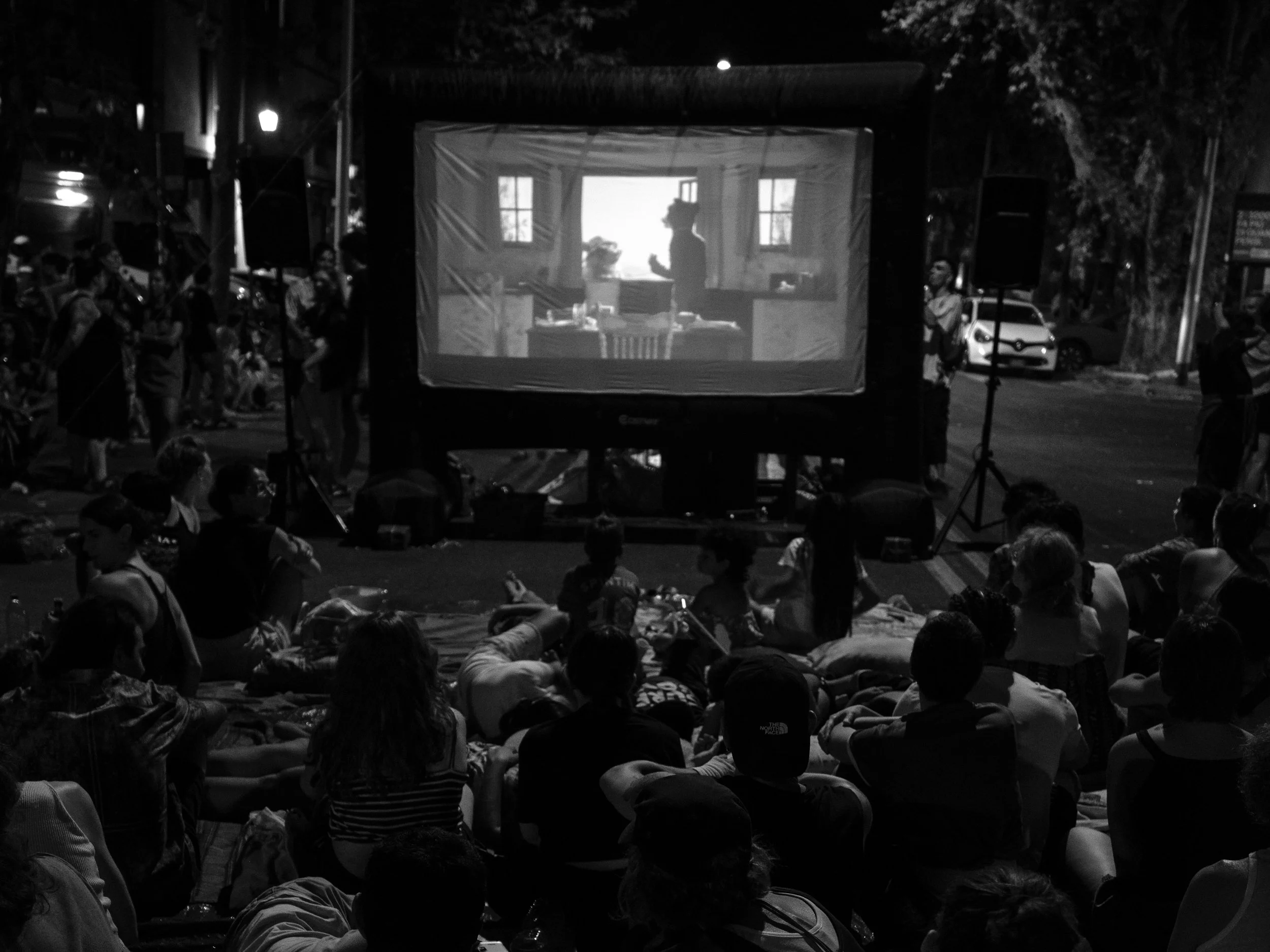
Photography by Niccolo Barca.
I would invite those far-right critics to come and observe. There’s more to learn here, and more that ought to be folded into municipal strategy, into models of what a city should look like, how it should feel, how accessible it should be to the widest possible range of people, rather than simply denigrating it under the label of illegal, clandestine, abusive. Those who repeat that narrative should know better.
Spin Time lays bare the question of what our cities are actually for. For most people reading this, Rome is a tourist Disneyland – cobbled streets, churches and Roman arches reaching back into the annals of history, an Aperol spritz, a slice of pizza, fumbling over the pronunciation of cacio e pepe. Overtourism is a problem with no solution in sight in Italy. It pushes up prices for the people who actually live here and makes it harder for a city’s working class to secure the bare minimum they need: affordable prices, dignity, a roof over their heads, sustainable jobs, the basic securities we should all expect.
Spin Time was able to offer some of that in spite of a government that wouldn’t provide it itself, and in spite of a market that never considered it quantifiable, a sense of community for thousands of people, thousands of whom have come out to show their support these last two weeks. And it’s with those reflections at the back of my mind that I now get to enjoy a well-earned lunch, with the people I most want to share it with.
Benjamin MacShane
——
P.S.
No best tips from Rome today.
But I did learn the origin of the name Spintime. Spin comes from the Spinning Jenny, the first invention of the industrial revolution, allowing weavers to spin multiple spools of thread at a time. It works on a wheel with each revolution spinning out more thread. To Spin, then, is to revolution, and now is always the Time.