
Q&A with artistic director Sara D’Agati, plus her festival highlights
On 10–11 October, Romadiffusa goes to Esquilino, bringing readings to a Chinese trattoria, contemporary art to the neighbourhood market and jazz to the porticoes at Gatsby. Artists’ studios will open to visitors, while shops, bars and bookshops host performances, exhibitions and DJ sets.
When we spoke to Sara D'Agati ahead of the San Lorenzo edition in March, she wanted more people to know about the studios and galleries in the area and go beyond the neighborhood’s nightlife reputation. Esquilino proved harder to map. Some businesses were enthusiastic while others declined to take part. The team found artists’ studios they hadn’t known about and worked with local organisations, including Polo Civico and Scuola Di Donato, to develop activities with the neighbourhood’s communities.
And one project will stay beyond the weekend. At the Nuovo Mercato Esquilino, disused advertising panels are being turned into contemporary artworks intended to remain permanently. We caught up with D’Agati, Romadiffusa’s co-founder and artistic director, about putting this edition together and asked her to share her highlights from the programme.
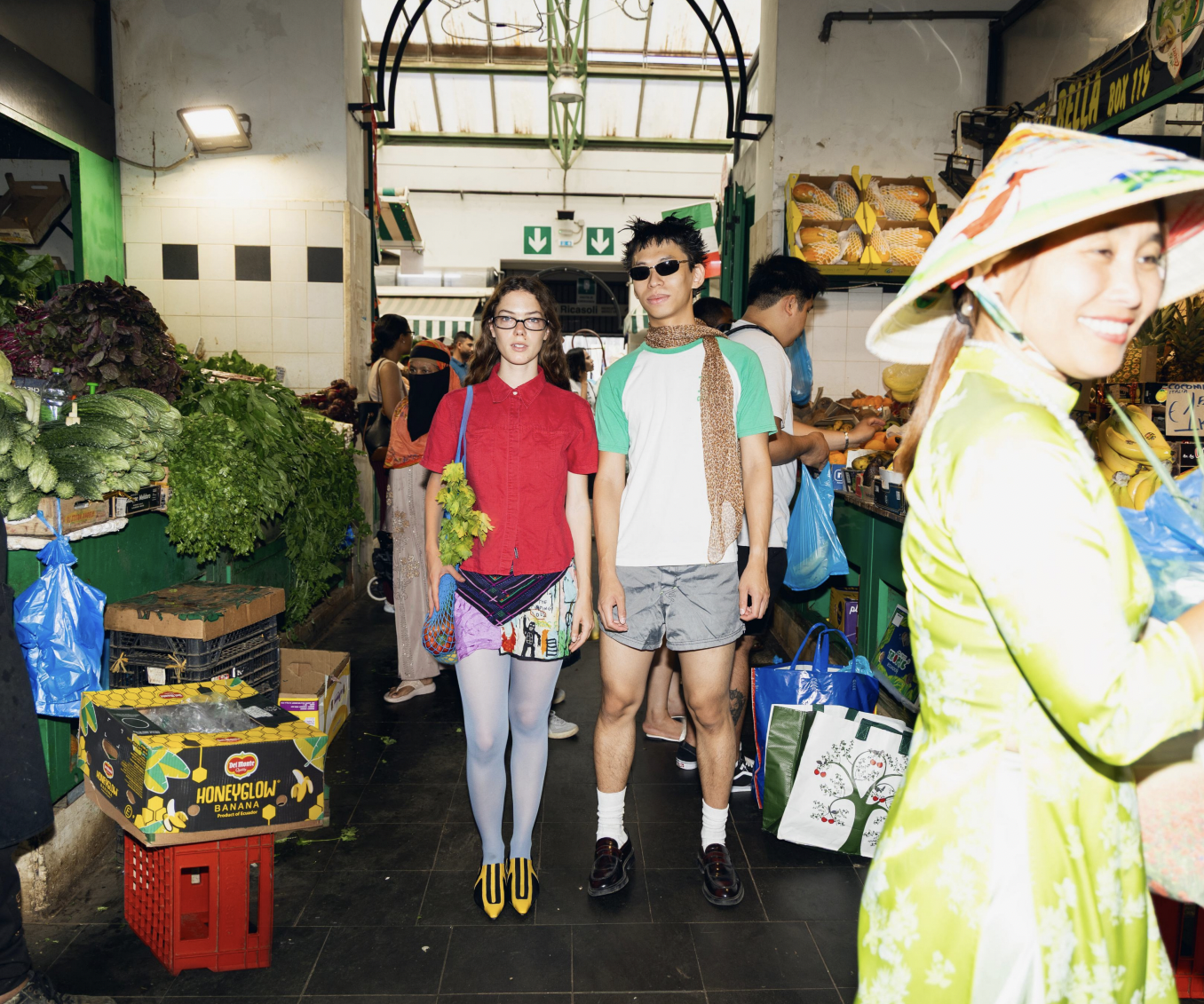
Romadiffusa Esquilino poster
Q&A with Sara D’Agati
When we last spoke, you were preparing to bring San Lorenzo’s creative scene to a wider audience. What drew you to Esquilino for this edition?
We chose Esquilino because it is a place of exchange and cross-pollination, and one of the most dynamic and multicultural areas of the city. It is a neighbourhood in constant transformation, where layers of history coexist with local communities, historic shops, creative spaces and new cultural practices that continuously reshape its identity.
With this edition, what matters to us is telling the story of Esquilino through an authentic, contemporary and plural lens, moving away from simplified or folkloric representations and bringing together second-generation artists and experimental creatives with the neighborhood’s places, cultural institutions and historic spaces.
We wanted to stay true to our approach: bringing contemporary and experimental music and art into traditional and iconic spaces across the neighbourhood, while involving local communities in the programme. For the entire weekend, Esquilino becomes a distributed cultural platform, connecting artists, residents, communities, cultural institutions and local businesses through a programme that unfolds across squares, markets, gardens, museums, historic buildings, bars and shops.
You research each neighbourhood before building the programme. What did you discover in Esquilino that surprised you or changed your understanding of the area?
Esquilino was a more difficult neighbourhood to really “get into” compared to the historic centre or San Lorenzo. The creative and artistic community in San Lorenzo is definitely more cohesive and visible, so the mapping process was very fluid where one place would naturally lead us to another.
Esquilino is more fragmented, with many bars and restaurants, and it wasn’t always easy to explain to Chinese or Indian business owners what we were trying to do. Even among the Italian businesses, the response was mixed. Bar Allo Statuto, Gatsby, Machiavelli and Casa Dante have been incredibly collaborative, while others chose not to host cultural or musical events. That’s something that had never happened in the other neighbourhoods we’ve worked in.
At the same time, we discovered a very interesting network of artists’ studios that we weren’t aware of, and many of them will open their doors to the public for this edition. More importantly, we came across a dense network of local organisations and associations, starting with Polo Civico and Scuola Di Donato, that work every day to care for the neighbourhood and the communities that live there. They helped us understand the Esquilino’s communities and offered invaluable support.
With them, and thanks to them, we’ll be organising a number of activities, including a multicultural lunch in support of Spin Time, Persian rug workshops, a social tailoring project with migrant women, DJ sets featuring Afghan music, and much more.
How did they the collaborations between artists and local spaces come together in this edition?
We identify the places that feel most authentic and try to convince them to host a music performance, an artwork or an intervention, which isn’t always easy, as the more traditional places in particular tend to be sceptical at first. We do extensive research to find artists who can create or present work for those locations.
In this edition, one particularly interesting pop up is at Mercato Esquilino, a place that really embodies the neighbourhood’s culture of exchange and cross-pollination. Here we involved ten established artists including H. H. Lim, Lulù Nuti, Fiamma Montezemolo, Wu Ming 2, Lorenzo Teodonio and Andreco, and asked them to create site-specific works for the market’s advertising spaces, most of them huge, full-wall panels that occupied a large part of the market’s walls.
In this way, abandoned advertising spaces are transformed into a platform for contemporary artworks, which will remain permanently in the market even after the festival is over. It’s a project that Vittoria De Petra, who leads Romadiffusa’s Art Programme, and I are particularly proud of, because we’re very interested in what is not ephemeral, in what our project can leave behind for the neighbourhood once the festival is over.
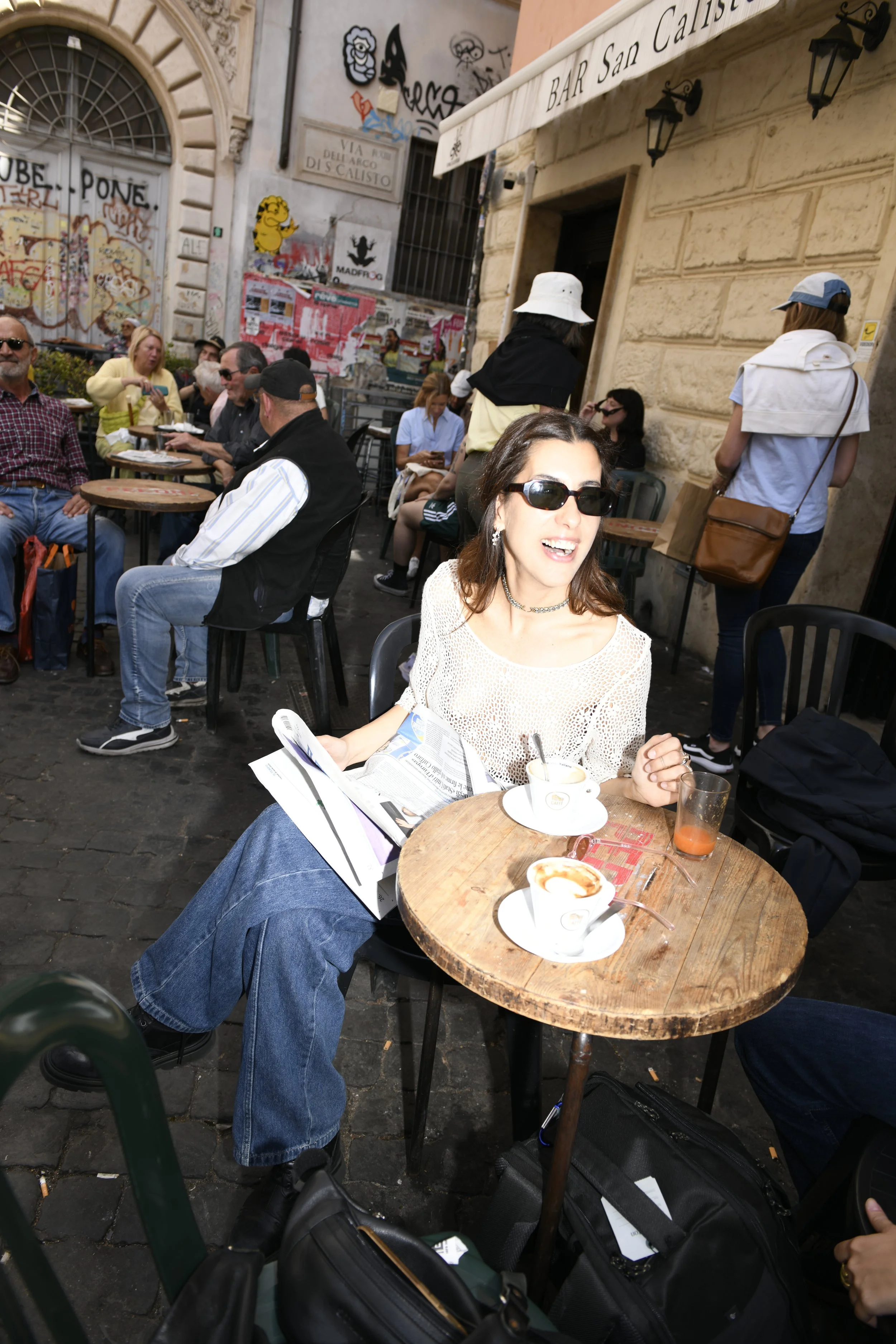
Sara D’Agati, Romadiffusa’s co-founder and artistic director
We asked Sara what to see and hear over the festival weekend. Here are her picks.
Piazza Vittorio
Expect South American and Afro music and percussion, with Amazon, Guglielmo Senatore and Delia. The square also hosts talks, including a lecture performance with Thony and Sofia Assante, developed with Fondazione Treccani.
Art in the shops
Works by Cecilia Sammarco at Torrefazione Ciamei and Bar allo Statuto. Caterina Silva curates Healing, an exhibition of five emerging artists across neighbourhood spaces including Selli International Food Store, Casa del Tessuto and Ditelo con un Fiore. At Bar D’Amore, Andrew Iacobucci presents an installation made for the bar.
Inside Magazzini allo Statuto
Accademia Costume & Moda opens the former Magazzini allo Statuto to visitors. Inside, there’s a video installation by Rä di Martino. On the building’s façade, an installation by Numero Cromatico, created for the occasion.
Records, readings and live music
Catch Xixi Zi’s vinyl set at Casa Dante, DJ sets by Naomi and Virginia WW at Bar allo Statuto and jazz with Hallyx at Gatsby.
The Chinese trattoria Da Sonia hosts a reading of Chinese diaspora literature, while ACM welcomes a live podcast of Malcolm Pagani’s Dicono di te. Also on Sara’s list: a lecture performance by Liliana Lao, Peter Blackfish and Liu Zilu, and video art at Machiavelli.
Art studios
Fiamma Montezemolo and Tarek Elhaik, Mohamed Keita, Serafino Maiorano and Elena Bellantoni are among the artists opening their studios and private spaces to the public. The galleries are taking part too, including Ultravioletto and Nube di Oort, where you can catch the closing event for Mexican artist Hiram Constantino’s exhibition.
